There has been a call for a fundamental transformation of South Africa’s education system to ensure children with disabilities enjoy their right to inclusive education within their communities.
The call was made by University of KwaZulu-Natal (UKZN) Law academic and advocate for children’s rights and the rights of persons with disabilities, Professor Willene Holness.
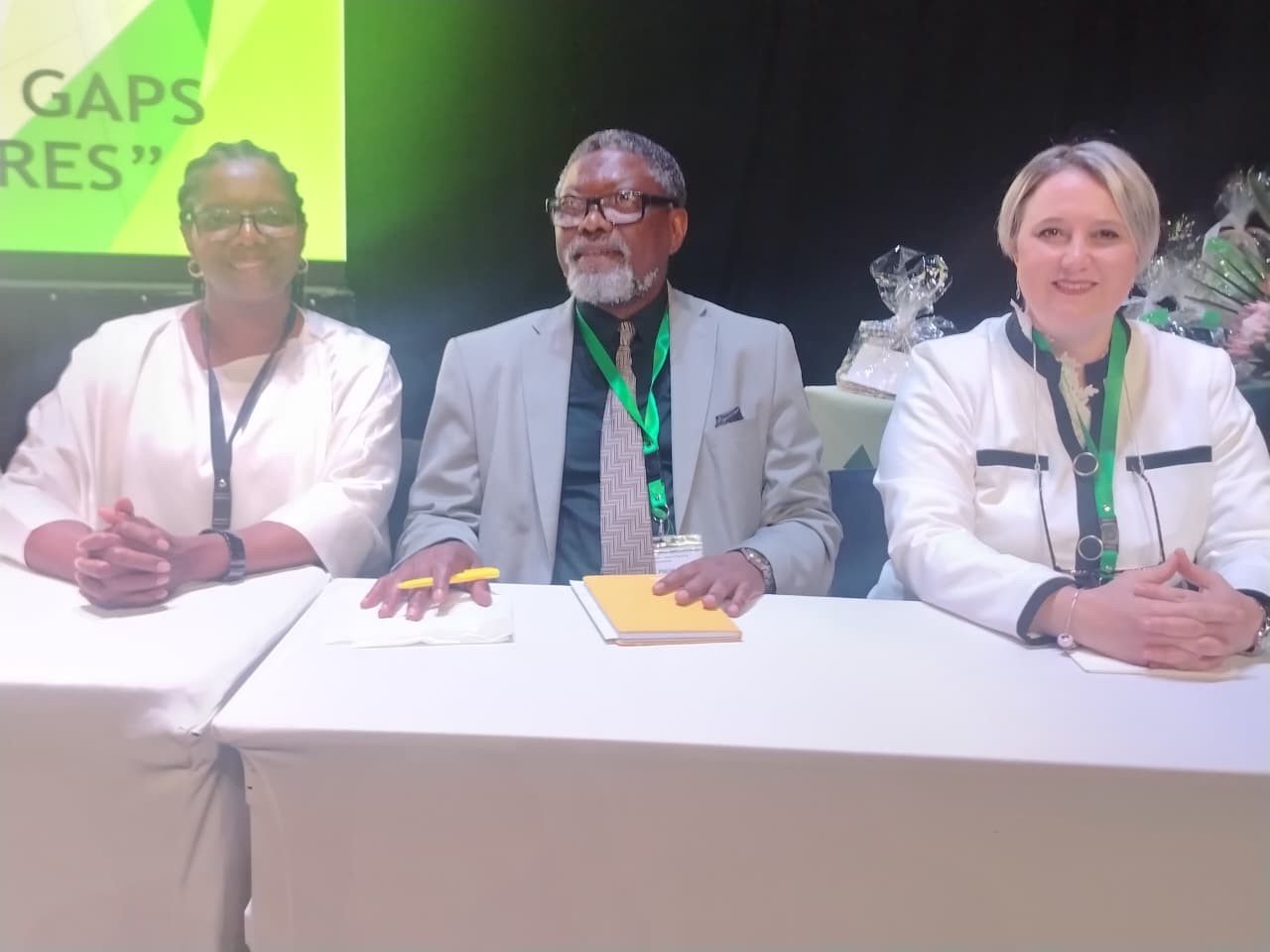
Holness was speaking during a panel discussion at the South African National Association for Special Education (SANASE) national conference in Durban, where she joined Dr Israel Mkhuma of the University of South Africa and Ms Nombulelo Mhlongo Yeni of Special Needs Education: Umlazi District. The discussion was moderated by SANASE Deputy Secretary Ms Sahara Jagath.
Held under the theme: ‘Education for All: Bridging Gaps and Building Inclusive Futures’, the conference brought together about 450 principals and School Governing Body chairpersons from special schools across South Africa.
A key discussion focused on how government can ensure inclusive education laws and policies move beyond legislation and are effectively implemented at school level.
Drawing on her expertise and advocacy for the rights of children and persons with disabilities, Holness highlighted the funding and structural challenges that continue to undermine inclusive education. She noted that full-service schools are largely unfunded, yet often attract learners with disabilities, while mainstream schools in local communities frequently remain unchanged in their admission and support of children with disabilities.
Mainstream schools currently have a defence to refuse admission of learners with disabilities due to the South African Schools’ Act’s qualifier that admission is required only where ‘reasonably practicable’. This discretion to exclude is strengthened by inequitable funding and the absence of a requirement for reasonable accommodation in education legislation. The immediacy of the right to basic education for children with disabilities is diluted by weak and incoherent policies reliant on the false premise of incremental inclusion of children with disabilities in general schooling.
“Education of children with disabilities is everyone’s duty, not only that of special schools,” said Holness. “We need equitable funding for inclusion rather than segregation, including funding for universal design, accessibility and reasonable accommodations.”
She argued that meaningful transformation requires recognition in legislation of an explicit legal right for children with disabilities to access general education in their communities, supported by strong policy implementation and equitable funding.
According to Holness, the current system needs to be fundamentally redesigned rather than incrementally adjusted. “We cannot retrofit our segregated legal system into an inclusive one – we need to redesign it,” she said.
She further emphasised the importance of keeping children connected to their families and communities, rather than placing them in hostels far from their homes and support networks.
“Children belong in their communities with their families, not in hostels far away from their homes and communities,” she said, adding that the support required for children to thrive had financial implications that needed to be properly budgeted for, delivered without delay and monitored.
Her contribution to the SANASE conference aligns with UKZN’s commitment to advancing impactful scholarship that responds to pressing societal challenges and contributes to a more equitable and inclusive society. It also reflects the University’s broader focus on research and scholarship that informs policy, advances social justice, protects human rights and supports sustainable development.
Holness said while South Africa awaits the progression of the Disability Bill, which seeks to domesticate the United Nations Convention on the Rights of Persons with Disabilities, immediate action is required.
“We need to immediately take action to not reform but transform the education system for inclusion, not segregation,” she said. This will entail establishing clear legal obligations on inclusive education and non-rejection in legislation and drafting and funding an action plan to immediately remove waiting lists for admission/placement and conditional admission of children with disabilities in mainstream and special schools.
Proud of Holness’s impactful research and advocacy work, Dean and Head of the UKZN School of Law, Professor Freddy Mnyongani, said: “Through platforms such as the SANASE conference, UKZN academics and advocates including Professor Holness continue to contribute their expertise to national conversations, demonstrating the value of scholarship and public engagement in shaping policy, strengthening institutions and transforming society.”
Words: NdabaOnline
Photograph: Supplied