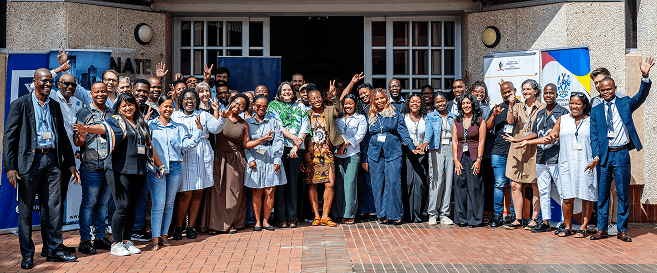
The third-year Architectural Design studio at the University of KwaZulu-Natal (UKZN), led by Dr Viloshin Govender and facilitators Mr Bill Williams and Mrs Melissa Pillay, positions students at the intersection of academic exploration and professional practice through a carefully structured, real-world project set within the Simbithi Eco Estate in KwaZulu-Natal.
This project challenges students to design a luxury dwelling within the constraints of a highly regulated eco-estate, offering a learning experience that directly mirrors the expectations and complexities of the contemporary architectural industry.
At its core, the project – ‘Dwelling the Landscape: Architecture as Experience’ – moves beyond conventional notions of residential design. Students are required to engage deeply with phenomenological principles and the concept of genius loci, or the spirit of place, ensuring that their designs are not merely aesthetic objects, but meaningful spatial experiences embedded within the landscape.
The eco-estate context introduces an additional layer of rigor: strict architectural and environmental guidelines that govern materiality, form, ecological sensitivity, and spatial integration. Navigating these constraints becomes a critical pedagogical tool, teaching students how to balance creativity with compliance – an essential skill in professional practice.
By working on a real site within Simbithi Eco Estate, students gain invaluable exposure to the realities of architectural production. Unlike hypothetical studio exercises, this project demands an understanding of actual site conditions, estate regulations, and client-like expectations. This grounding in reality significantly enhances the quality and relevance of student portfolios, equipping them with work that demonstrates both conceptual depth and practical feasibility which are key attributes sought by employers in the built environment sector.
A defining strength of the project lies in its emphasis on industry engagement. Students are encouraged to interact with estate representatives and built environment professionals, reinforcing the understanding that architecture is inherently collaborative. The visit to Simbithi Eco Estate, where students experienced built works, engaged in discussions, and experienced the estate firsthand through guided tours and hosted sessions, served as a pivotal moment in the studio. Simbithi Eco Estate further welcomed the students with a formal presentation and catered engagement, creating a professional yet supportive environment for exchange. During this session, UKZN alumnus Ms Amanda Goba presented the estate’s architectural guidelines, offering students critical insight into the regulatory frameworks that shape design within such developments. This interaction not only validated their design efforts but also exposed them to professional modes of presentation, critique, and dialogue.
Such experiences dismantle the misconception of the architect as an isolated designer, instead highlighting the discipline as one embedded within a network of planners, developers, environmental consultants, and community stakeholders. Students begin to understand that successful architectural outcomes emerge from negotiation, collaboration, and responsiveness to multiple layers of input.
Importantly, this project responds directly to the growing call for industry-ready graduates. By simulating real-world conditions and expectations, the studio ensures that students are not only theoretically grounded but also professionally prepared. The ability to design within constraints, engage with real clients and sites, and produce portfolio-ready work gives these students a distinct advantage as they transition into the working world.
Ultimately, the Simbithi eco-estate project represents a model for contemporary architectural education – one that bridges the gap between academia and practice. Through this immersive and strategically designed experience, students develop the skills, confidence and professional awareness necessary to enter the industry as capable, adaptable, and employable graduates.
Words: Melissa Mungroo
Photographs: Supplied