The University of KwaZulu-Natal (UKZN) Library Services and Special Collections, through the Alan Paton Centre and Struggle Archives (APC), recently hosted the 2026 Alan Paton Annual Lecture, bringing together literary scholars and enthusiasts for an exploration of one of South African literature’s most enduring figures: the priest.
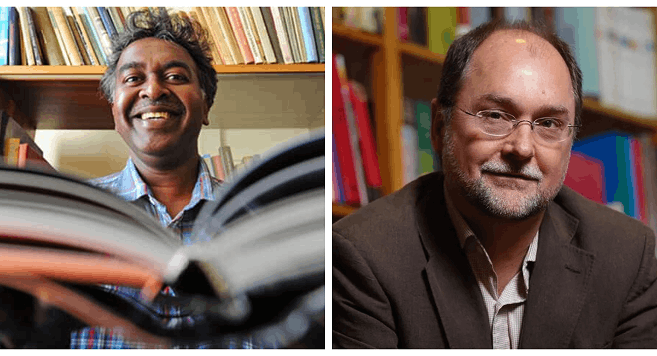
Presented virtually, the lecture, titled ‘The Topos of the Priest in Cry, the Beloved Country and Other Selected Novels’, was delivered by renowned literary scholar, author and UKZN alumnus Mr Darryl David. Responding to the lecture was Professor David Attwell, Emeritus Professor at the University of York and Extraordinary Professor at the University of the Western Cape, a teacher, literary critic and historian of South African literature.
David explored the enduring influence of Reverend Stephen Kumalo, the central priest figure in Alan Paton’s Cry, the Beloved Country, arguing that despite decades of criticism, the character remains a foundational figure in South African literature. “All my life, I’ve always thought of Cry, the Beloved Country as one of the great texts to come out of South Africa. I was always shocked at the criticism it received,” he said.
He examined how Paton’s portrayal of Kumalo established a literary tradition that continues to shape the way South African writers imagine faith, morality and leadership.
Tracing the evolution of the priestly figure across generations of writing, David drew on texts including The Madonna of Excelsior, Hunger Eats a Man, Raka die Roman and A Sin of Omission. Through these works, he demonstrated how authors have used priests and religious leaders to interrogate social injustice, poverty, cultural conflict and reconciliation.
A significant focus of the lecture was Nkosinathi Sithole’s Hunger Eats a Man, where Father Gumede’s struggle with unemployment and poverty results in a profound crisis of faith. David highlighted how the novel positions hunger as both a physical and spiritual force capable of destroying dignity, morality and community bonds.
He also reflected on the satirical portrayal of the priest in Raka die Roman, describing the character as one of the most unconventional religious figures in South African fiction. Through humour and social commentary, the novel challenges established religious authority and exposes the tensions within traditional social structures.
Speaking on Marguerite Poland’s A Sin of Omission, David examined the experiences of Stephen Nzimande, a young Anglican priest caught between African tradition and colonial Christianity. He noted that the novel presents the priest as a figure navigating questions of identity, belonging and silence within a deeply unequal colonial society.
Concluding his lecture, David argued that forgiveness and reconciliation remain central themes in South African literature. He suggested that while circumstances and settings may change, many contemporary writers continue to grapple with questions first raised by Paton through the character of Stephen Kumalo and the moral dilemmas he confronts.
Responding to the presentation, Attwell praised David’s lecture for offering a fresh perspective on Cry, the Beloved Country. He described it as “an important new reading” of the novel and commended David for examining both its strengths and the criticism it has received.
Attwell said the lecture showed how the figure of the priest has remained an important presence in South African literature, with writers using the character to explore themes of justice, suffering, resilience and spiritual renewal. He added that revisiting these literary figures helps readers reflect on the social and moral challenges that continue to shape South African society.
The lecture concluded with an engaging discussion on Alan Paton’s legacy and the continued relevance of Cry, the Beloved Country, reaffirming UKZN’s commitment to promoting literary scholarship and preserving South Africa’s rich intellectual heritage.
Words: Lungile Ngubelanga
Photographs: Supplied