Future of Academic Publishing Explored at High Level Indaba
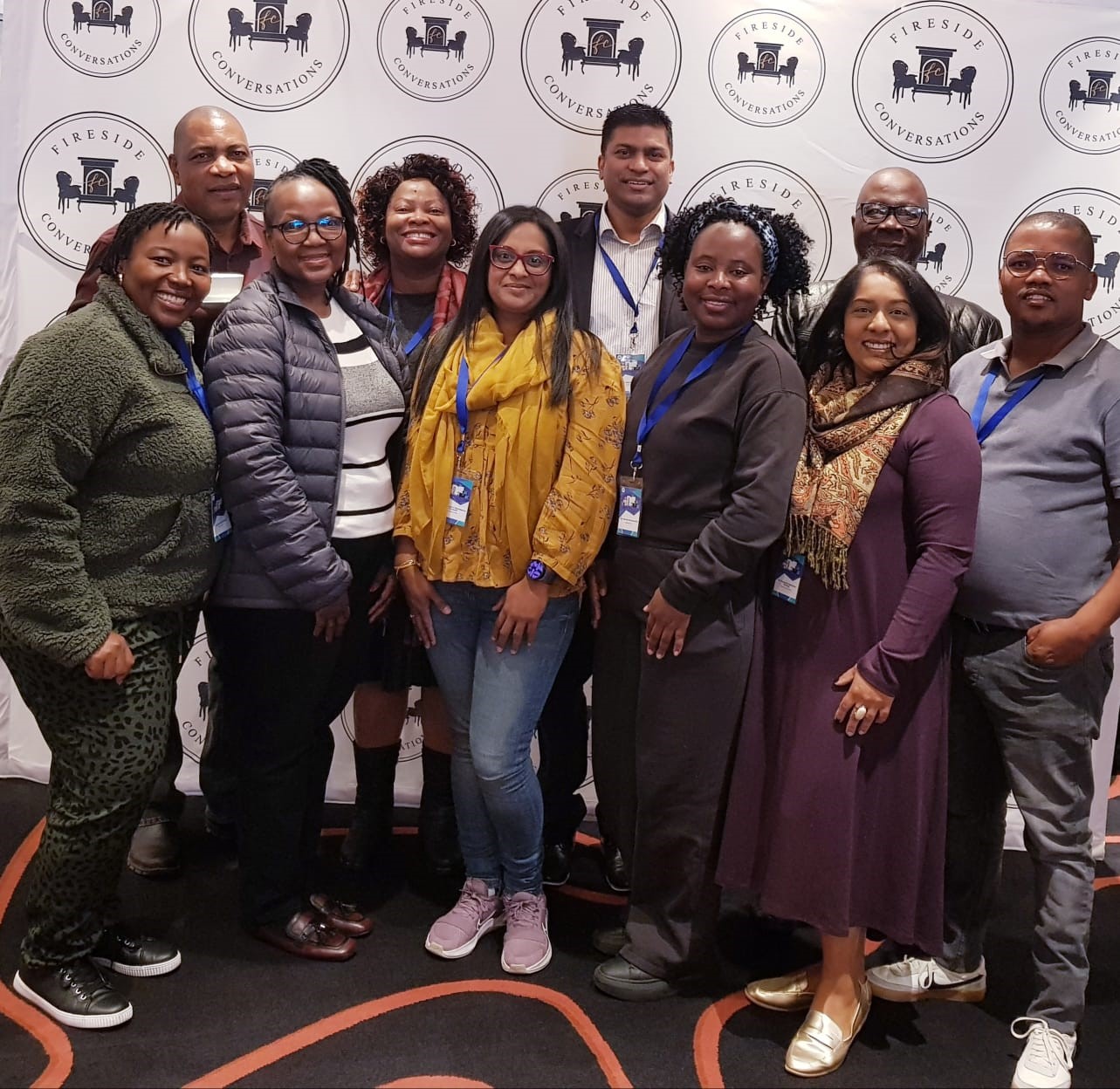
Scholars, publishers and industry leaders gathered at the Academic Publishing Indaba 2024 in Sandton to explore the future of academic publishing.
The event, which attracted participants from all major South African universities, provided a platform for discussing emerging trends, technological advancements and the evolving needs of the academic community throughout the country.
UKZN was well represented with academics from the Colleges of Law and Management Studies, Humanities and Health Sciences in attendance.
A major topic was the growing push towards open-access publishing with debate highlighting how open-access models are reshaping academic dissemination by increasing the accessibility and visibility of research.
Keynote speaker, Professor Keyan Tomaselli, who is Co-Editor of Critical Arts and the Journal of African Cinemas at the University of Johannesburg, said open access was not just a trend but a necessary evolution in academic publishing – it democratised knowledge and ensured valuable research reached a broader audience.
Technological innovation was high on the agenda at many of the sessions. Professor Johannes Cronjé, a professor of Digital Teaching and Learning in the Department of Information Technology at the Cape Peninsula University of Technology, explored the integration of artificial intelligence in publishing processes, the use of blockchain to ensure data integrity and advancements in digital publishing platforms. New AI tools for manuscript editing and submission management drew significant attention, reflecting a growing interest in leveraging technology to streamline publishing workflows.
Discussions also focused on addressing disparities within academic publishing, sustainability in publishing and the future of scholarly communication with attention on the challenges faced by researchers from under-represented regions and institutions.
There was a strong consensus on the need for more inclusive practices and equitable opportunities. Initiatives to support emerging scholars and promote diversity in editorial boards were highlighted as essential steps towards a more inclusive academic environment.
There was also debate on strategies for reducing the environmental impact of print publishing and promoting greener practices within the industry and attention given to the subject of adopting digital solutions that minimise waste and exploring eco-friendly materials for printed publications. Experts discussed how evolving communication tools, such as social media and digital networking platforms were influencing academic discourse. The potential of these tools to enhance collaboration and visibility for researchers was emphasised, alongside concerns about maintaining academic rigor and quality in the digital age.
Professor Nyasha Mboti, a professor of Human Rights Law and the Dean of the Faculty of Law at the University of the Free State, spoke about concerns regarding writing centres and the importance of ensuring students receive adequate and sufficient training and development.
The Indaba also served as a networking hub, with numerous opportunities for professionals to connect and collaborate. Workshops, breakout sessions, and informal networking opportunities allowed participants to exchange ideas and explore potential partnerships.
At the end of proceedings, the consensus was clear: the landscape of academic publishing is rapidly evolving, driven by technological advancements and a collective push for greater accessibility and inclusivity. The insights and innovations shared during the event are set to shape the future of the industry, paving the way for more equitable and sustainable practices in academic dissemination.