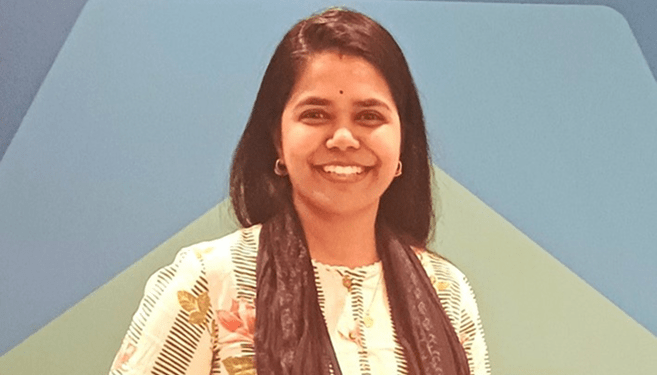
The University of KwaZulu-Natal’s (UKZN) Dr Mayashree Chinsamy delivered a presentation at the African Union’s (AU) Inaugural Symposium in Victoria Falls, Zimbabwe, on Harnessing Science and Technology for Disaster Risk Reduction (DRR).
Chinsamy is the Research Manager at the Department of Science, Technology and Innovation- National Research Foundation (DSTI-NRF) Centre of Excellence in Indigenous Knowledge Systems (IKS) at UKZN and a member of the African Institute in Indigenous Knowledge Systems (AIIKS) Secretariat.
The symposium was convened by the African Union Commission (AUC) under the auspices of the Africa Science and Technology Advisory Group on Disaster Risk Reduction (AfSTAG-DRR). It brought together leading scientists, researchers, policymakers and practitioners from across Africa to explore how science, technology, innovation and indigenous knowledge systems can strengthen the continent’s resilience against disasters, in line with the Sendai Framework for Disaster Risk Reduction (2015-2030) and the African Union Agenda 2063.
Representing UKZN and South Africa, Chinsamy was invited as an IKS expert to deliver a presentation on the strategic value of African Indigenous Knowledge Systems (AIKS) within the Sendai Framework. Her presentation was under the thematic area of: ‘Integrating Indigenous Knowledge Systems with Scientific Evidence to Enhance Resilience’. It underscored the vital role of community-based science, technology and innovation risk practices, and cultural governance models in shaping inclusive, people-centred disaster resilience strategies.
Said Chinsamy: “African Indigenous Knowledge Systems embody centuries of adaptive intelligence and sustainable coexistence with nature. Integrating the rich diversity of knowledge systems with contemporary science is not only a recognition of our heritage but a necessity for achieving equitable and evidence-based disaster resilience in Africa.”
The other sessions featured high-level contributions from a variety of experts who complemented the session on Knowledge Systems with Inclusive Resilience with reports on multi-national research projects on the continent. Chinsamy’s intervention emphasised the importance of Ubuntu-centred approaches, community early warning systems, and indigenous-led innovations within multi-hazard frameworks.
Following the deliberations, Chinsamy joined members of the AfSTAG Working Group to contribute to the formulation of a continental roadmap for 2026-2030 that will guide science-policy integration for DRR and outline mechanisms for embedding AIKS in the African Union’s resilience agenda. The symposium culminated with the adoption of key outcomes including: (1) a communiqué and AfSTAG Declaration on Science, Technology, and Innovation for DRR; (2) a technical report and policy brief summarising recommendations for strengthening science-policy linkages; and (3) a continental action roadmap aligning DRR priorities with the AU’s Agenda 2063 vision.
The AIIKS, with its hub at the DSTI and NRF Centre of Excellence in IKS, hosted by UKZN, continues to advance scholarship and collaborative action that foreground indigenous epistemologies in addressing Africa’s most pressing sustainability and resilience challenges.
UKZN’s participation at this continental platform affirms Higher Education commitment to knowledge diversity, African scholarship, and innovation in the continent’s Disaster Risk Reduction, Management and Resilience research agenda.
Words: NdabaOnline
Photograph: Supplied