
Opinion: A Breath of Hope, a Demand for Change: Reigniting SA’s Fight Against TB
- Posted by ukzn-admin
- Categories News
- Date April 24, 2026
As we pause to reflect on World TB Day 2026, the air we share in South Africa remains heavy with a centuries-old, unforgiving pathogen. Tuberculosis (TB) is not just a leading cause of death in our country; it is a pervasive, silent predator that continues to stalk our most vulnerable populations with devastating precision. Despite our collective exhaustion with epidemics and pandemics over the past few years, we cannot look away from this enduring crisis. TB empties chairs at family dinner tables, orphans vulnerable children, and violently drains the vitality of our workforce, placing a massive, unyielding brake on our national prosperity.
The economic shockwave of a TB diagnosis is profound. When a breadwinner falls ill, the physical decline is rapidly followed by a financial freefall. The loss of income, compounded by the out-of-pocket costs of endless clinic visits and the need for bolstered nutrition, often pulls entire households below the poverty line. Families are forced to sell off meagre assets or pull children out of school, perpetuating a generational cycle of debt and desperation. TB does not merely infect lungs; it paralyses livelihoods.
Yet, as clinician-scientists and infectious disease epidemiologists, we must emphasise that our story is not merely one of suffering. South Africa has long been a global pioneer in TB science and policy. We have consistently been among the very first nations to adopt and fund evidence-based diagnostics, scaling up rapid molecular testing to detect drug resistance within hours rather than the weeks or months it took a decade ago. We have championed groundbreaking therapeutic regimens, bravely transitioning to all-oral, shorter courses for drug-resistant TB, removing the agony of months of daily injections. We have also rapidly expanded preventative therapies to protect those most at risk of developing TB. On paper, our programmatic arsenal is the envy of the developing world, backed by some of the leading researchers in the world and by a strong researcher-policy interface.
Why, then, do so many South Africans still succumb to a disease that has been curable for decades? The painful truth is that we suffer from a profound and deadly implementation failure. We possess world-class tools, but they consistently fail to benefit those who need them most due to fractured health systems, severe clinic bottlenecks, and a leaky care cascade. We lose people at every step, from the community to the clinic, from diagnosis to treatment initiation, and from the first pill to the last.
More fundamentally, we have failed to adequately reflect on what the stubborn persistence of TB truly represents: it is a glaring symptom of a failing society. TB is a social disease with a medical aspect. It thrives precisely on our systemic fault lines – overcrowded informal settlements, poorly ventilated taxis, food insecurity, and the lingering occupational scars of our mining history. Every avoidable TB death is a quiet indictment of our social safety net, a stark reminder that we are failing to protect our most vulnerable citizens. We cannot simply medicate our way out of structural poverty.
This realisation demands a radical, immediate shift in how we approach the epidemic. It requires a dual awakening from both our communities and our government.
First, to our communities: we must fundamentally rewrite the narrative around TB and strip it of its suffocating stigma. TB spreads through the air; catching it is a matter of breathing our shared air, not a moral failing. We must foster intensified, grassroots advocacy, generating a louder, more urgent demand for TB prevention, regular screening, and safer public spaces. Most importantly, we must extend unwavering solidarity to those suffering. No one in South Africa should have to walk the gruelling, exhausting road of TB treatment in isolation or in shame. Neighbours must support neighbours; employers must support employees.
Second, we demand an urgent, paradigm-shifting pivot from our government. The traditional, passive, clinic-bound approach of waiting for sick people to arrive at our doors will not end TB. We need leadership defined by relentless accountability, transparency, and resourcefulness. The Department of Health, in collaboration with the Treasury and the Department of Social Development, and through innovative financing mechanisms, must spearhead a programmatic, structural redesign that acknowledges the brutal socioeconomic realities of our patients. This means formally integrating TB care with social security. We must implement targeted, conditional cash transfers to protect patients from the catastrophic costs of seeking care, which remains a primary driver of treatment interruption. To do so requires a fundamental mental shift.
We have to stop viewing social support for TB patients as a charitable act; it is foremost a medical and economic imperative. When a patient is forced to abandon their six-month treatment simply because they cannot afford the taxi fare to the clinic or the food required to stomach the harsh medication, the ultimate cost to our health system, through prolonged transmission and the creation of highly drug-resistant TB, is astronomical. We know how to mobilise resources when we treat a disease as a true emergency. During the COVID-19 pandemic, we witnessed unprecedented agility through innovative financing, public-private partnerships, and solidarity funds. We must apply that exact same financial creativity and urgency to TB, integrating nutritional stipends and transport vouchers directly into our treatment models. Investing in a patient’s survival today is the only way to protect our economy and our communities tomorrow. Furthermore, we must modernise our patient support through the application of evidence-based technologies. By scaling up digital adherence technologies such as smart pillboxes and mobile health applications, we can empower patients to manage their treatment with dignity in their own homes, reducing the burden on overflowing clinics.
Simultaneously, we must commit to actively finding the ‘missing cases’ to truly break the chain of transmission. We must take our tools directly to our communities, deploying mobile, artificial intelligence-assisted digital X-rays and novel diagnostic tools directly into high-burden communities, mines, and prisons to detect the disease before it spreads. We cannot allow the pursuit of perfect data to paralyse action. Instead of waiting years for a flawless, global evidence base to emerge before updating national guidelines, the government must proactively fund local implementation research.
By embedding operational science directly into the rollout of these technologies, we can close evidence gaps in real-time. This ‘earn-as-we-do’ approach ensures we adapt our strategies to the realities of the ground, rather than letting life-saving innovations languish in endless pilot phases while our people die.
Crucially, we must prepare for the dawn of a new scientific era. With the first highly promising novel TB vaccines in over a century finally advancing through late-stage clinical trials right here on South African soil in 2026, we cannot afford to be caught unaware when these are shown to be effective. The government must aggressively accelerate national readiness for a TB vaccine rollout. This requires ironclad commitments to scale up local manufacturing capabilities, robust storage and cold-chain logistics, sustainable domestic financing, and equitable, prioritised rollout frameworks. We must not wait until the vial is ready to build the shelf.
The end of TB in South Africa is not a utopian dream; it is a scientifically plausible, economically necessary reality within our lifetime. But science without systemic, compassionate support is a blunt instrument. After observing World TB Day 2026, let us move beyond empty political rhetoric and piecemeal solutions. We have the medical tools, the scientific brilliance, and the lived experience – now, we must summon the political will and the societal courage to finally relegate TB to the history books, where it belongs.
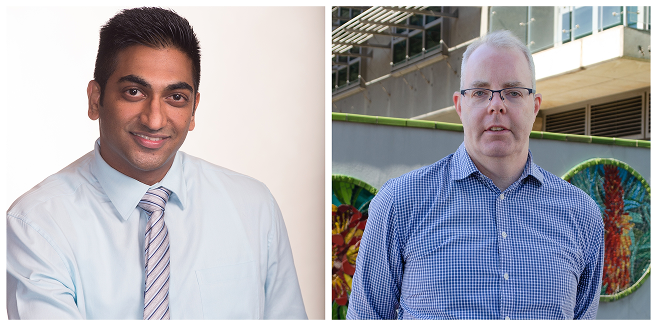
*Professor Rubeshan Perumal:Head of TB Treatment at CAPRISA and Professor of Pulmonology at UKZN. Perumal holds multiple degrees, including an MBChB, MMed (Internal Medicine), MPhil (Pulmonology), MPH (Public Health), and a PhD in Medicine as well as specialised certifications in Pulmonology and Critical Care. Perumal was one of the few students granted permission to undertake an MPH concurrently with his Medical degree. His doctoral research, which focused on pharmacokinetic-pharmacodynamic optimisation of TB treatment, underscores his dedication to advancing patient outcomes through scientific rigor. Perumal has published more than 70 high-impact peer-reviewed articles in prestigious journals such as The Lancet, The New England Journal of Medicine, and Lancet Infectious Diseases. As a principal investigator or co-investigator on more than 10 clinical trials, his efforts continue to shape the future of TB and HIV treatment and care. In 2024, he received the Vice-Chancellor’s Award for Research Excellence at UKZN. Last year, he received the SAMRC Bronze Award from the South African Medical Research Council (SAMRC) in recognition of his outstanding contributions to the fields of tuberculosis (TB) and HIV research.
*Dr Richard Lessells: Group Leader: KRISP – KwaZulu-Natal Research and Innovation Sequencing Platform, UKZN is an Infectious Diseases clinician-scientist at KRISP in the School of Medicine at UKZN and an honorary research associate at CAPRISA. He did his clinical specialist training in Infectious Diseases and Internal Medicine in the United Kingdom, and his PhD at the London School of Hygiene and Tropical Medicine. He has been actively involved in TB clinical work, research and training in South Africa for almost 20 years.
*The views and opinions expressed in this article are those of the authors and do not necessarily reflect the official policy or position of the University of KwaZulu-Natal.

Previous post


