Drug Addiction Cannot be Ignored
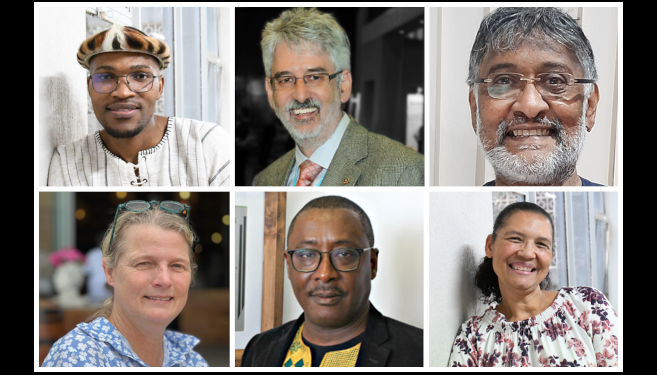
There was simply not enough time to deliberate on the burning issue of increasingly high volumes and the array of drugs which continue to flow freely in and around South African communities when UKZN’s College of Health Sciences – as part of its on-going webinar series which invites in-house academics and subject matter experts to address critical issues that pose a major public health threat if left neglected – hosted a webinar on the matter.
Paying close attention to activities taking place inside our homes and lived environments could save us from the social burden, so urged experts at the webinar.
‘Dopamine is a chemical messenger (a neurotransmitter) that works in the brain,’ explained Human Physiology lecturer, Dr Mluleki Luvuno, who said drug abuse leads to abnormal dopamine levels – where having too much or too little dopamine in some parts of the brain can be linked to certain mental illnesses including depression, schizophrenia and psychosis.
Luvuno compared a healthy brain to that of a drug addict, saying repeated drug use (such as cannabis, cocaine and whoonga/nyaope) results in the brain’s reward system becoming less responsive to the drug; leading to the reduction of dopamine receptors/production, thus requiring higher doses to achieve the same effect. The need for a higher dose heightens the risk of overdose and other health complications.
Luvuno said people use illegal drugs due to easy access; as a coping mechanism; to seek sensation (also called thrill-seeking); as well as poor impulse control. Peer pressure, stress and trauma were said to be major perpetuators of the cycle of the scourge.
This was supported by UKZN Pharmacology lecturer, Dr Katy Harries, who spoke on illicit and prescription drugs that cause dependence in South Africa, highlighting four main types of psychoactive substances that are used for recreational purposes: depressants, stimulants, hallucinogens (a group of drugs that work on the brain to affect the senses and cause hallucinations) and opioids (medicines that safely help control severe pain).
Harries reminded attendees of the 2022 South African Community Epidemiology Network on Drug Use study that showed high prevalence of alcohol, cannabis, heroin, crack cocaine, ecstasy, and over the counter/premedication misuse – all of which showed prevalence in 12 drug treatment centres in KwaZulu-Natal.
Adverse effects of drug abuse on the body included heart attacks, arrhythmias, and other cardiovascular complications; lung damage which leads to chronic bronchitis, lung infections, or respiratory failure; as well as increased risk of contracting infectious diseases such as HIV, hepatitis, and other blood-borne infections.
‘The cost of addiction is to the individual’s health and work; their family, relationships and finances are likely to break down; and for society, it is the inevitable factors of cost of care, increased crime and less overall productivity,’ said specialist psychiatrist, Dr Hemant Nowbath.
His concerns were echoed by the Founding Director of the College of Humanities Doctoral Academy and Professor of Social Work in the School of Applied Human Science at UKZN, the world-renowned Professor Johannes John-Langba. Both tackled drug addiction from their expert psycho-social lenses of psychiatry and social work, respectively.
International drug expert and senior lecturer in the Division of Pharmacology at UKZN’s Discipline of Pharmaceutical Sciences, Mr Andy Gray, who is the co-director of the World Health Organization’s (WHO) Collaborating Centre on Pharmaceutical Policy and Evidence Based Practice, said relationships between the criminal justice and public health sectors, as well as change to laws and/or norms to support evidence-based harm reduction, was absolutely vital to the fight against drug abuse.
He cited WHO’s Global Status Report on Alcohol and Health and Treatment of Substance Use Disorders, saying: ‘Although effective treatment options for substance use disorders exist, treatment coverage as estimated by different metrics is very low, and the proportion of the people with substance use disorders in contact with treatment services vary from less than one percent to no more than 34 percent in all countries where such data is available.’
Grey said in terms of law enforcement, arrest and imprisonment of drug users is ineffective, resulting in little behavioural/biological interventions in prison that can aid drug users. ‘Law enforcement without the consideration of public health and human rights, increases the health risks of people who use drugs, and specifically people who inject drugs, and their communities.’
The webinar was convened by Dr Rene Khan, a medical scientist and senior lecturer in the Discipline of Medical Biochemistry at UKZN’s School of Laboratory Medicine and Medical Sciences.
Words: Lunga Memela
Photographs: Supplied